
Photos
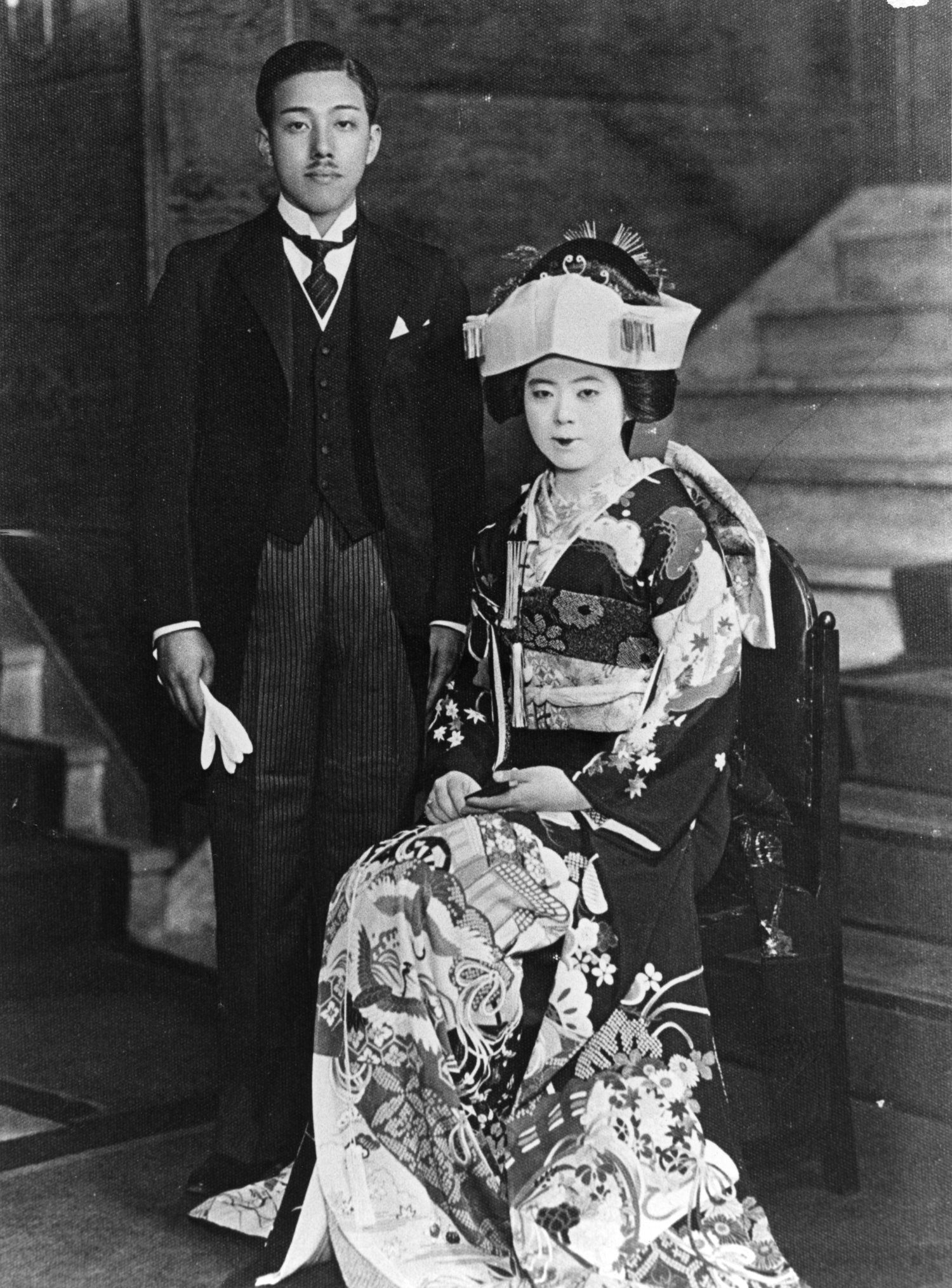
Bride and groom, the woman probably a “picture bride,” c. 1915. Nikkei National Museum. 2001.4.53.
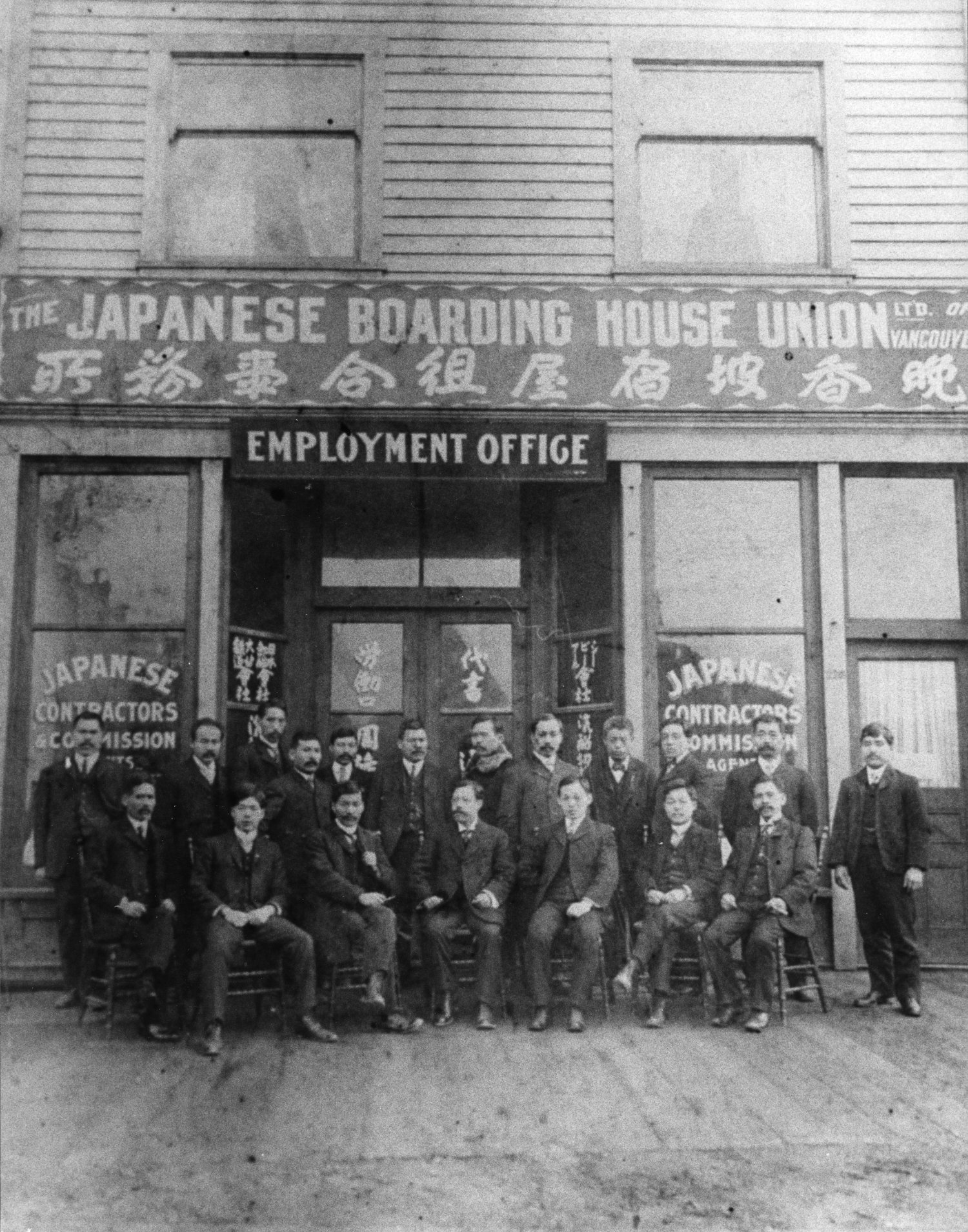
Labour contractors and their headquarters in Vancouver, c. 1910. Nikkei National Museum. 2001.11.32.
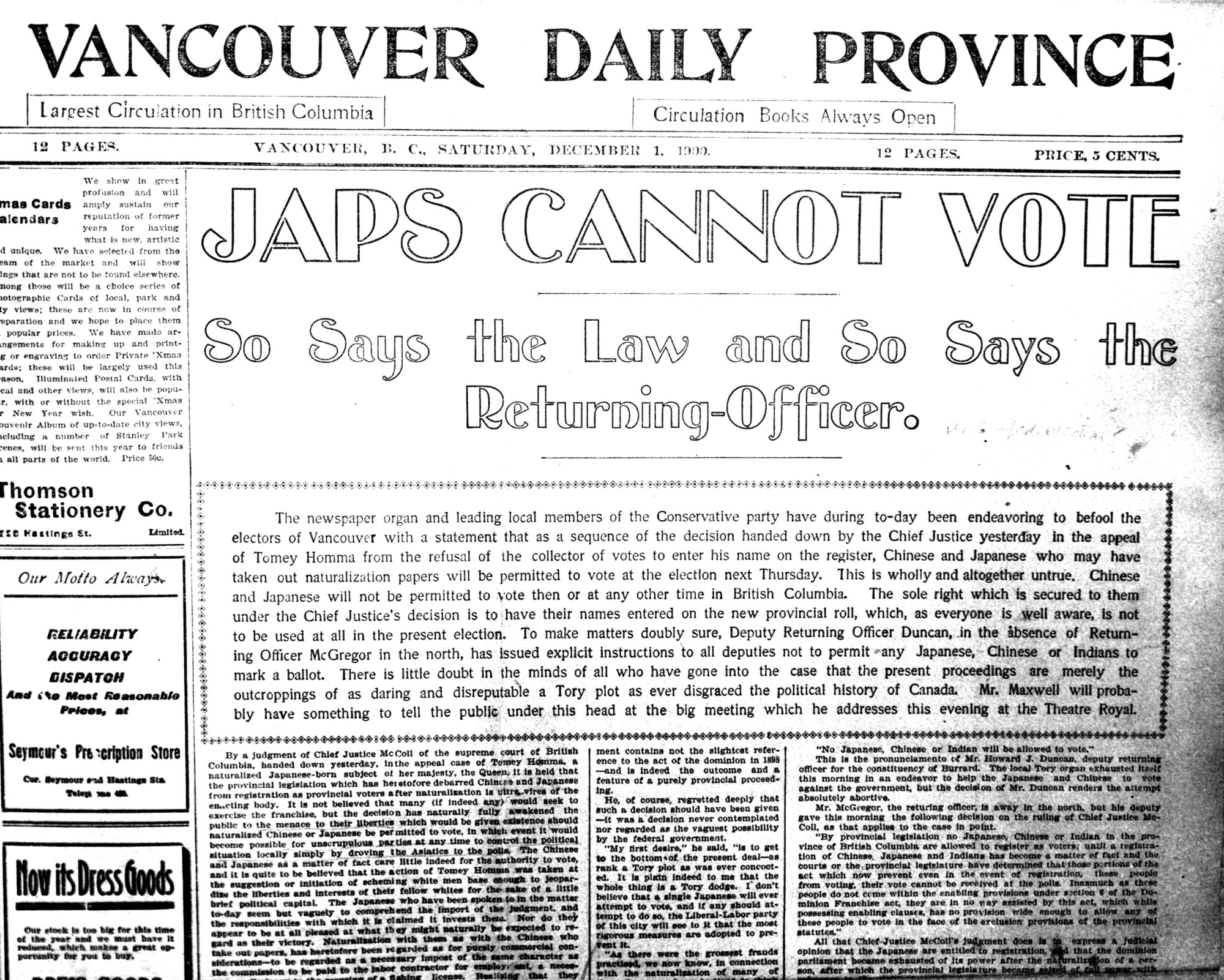
The franchise issued in British Columbia, 1900. (Vancouver Daily Province). Author’s collection.
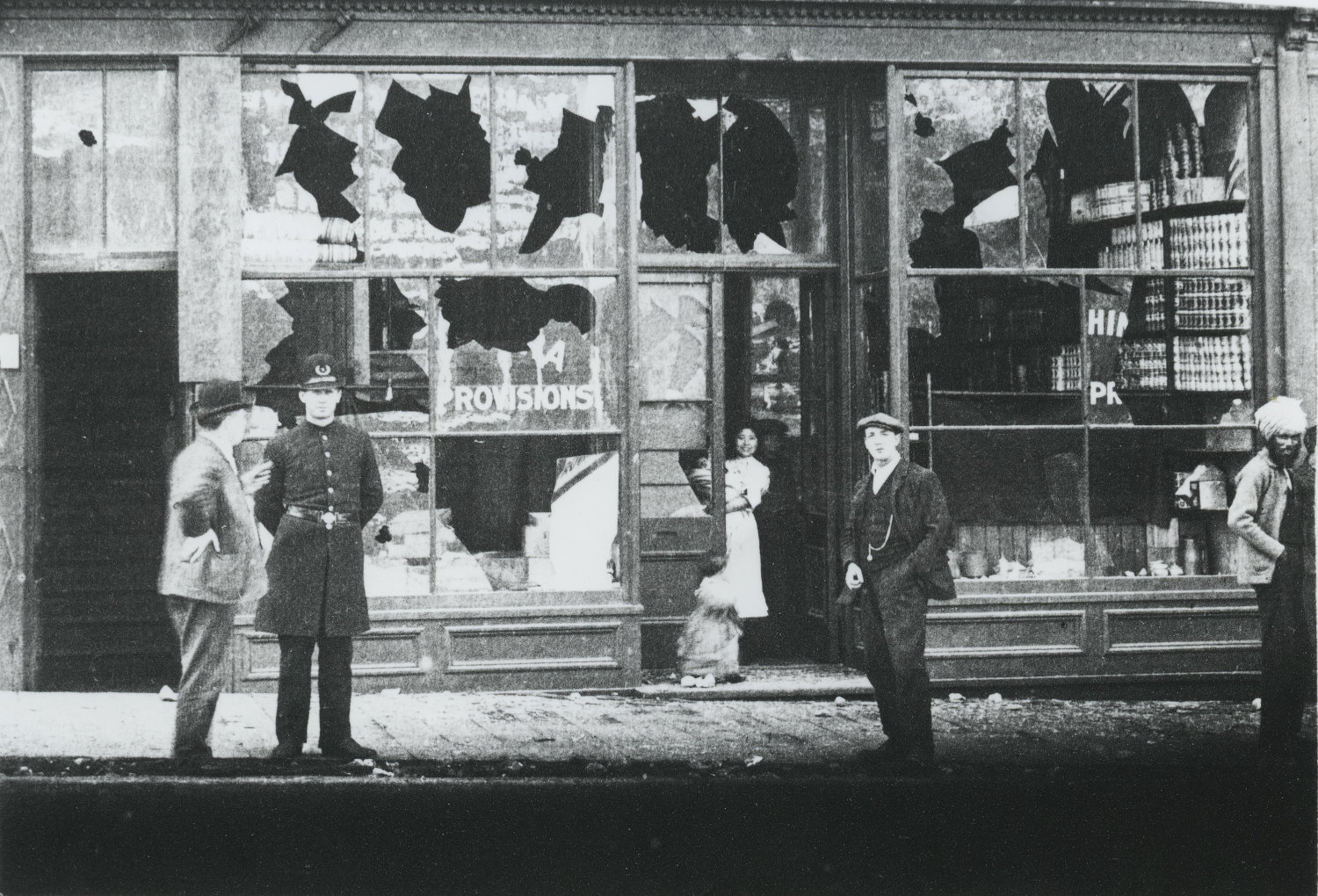
Damage to grocery store on Powell St. during 1907 anti-Oriental riot in Vancouver. Japanese Canadian Research Collection, Rare Books and Special Collections, University of British Columbia Library, JCPC-36-017.
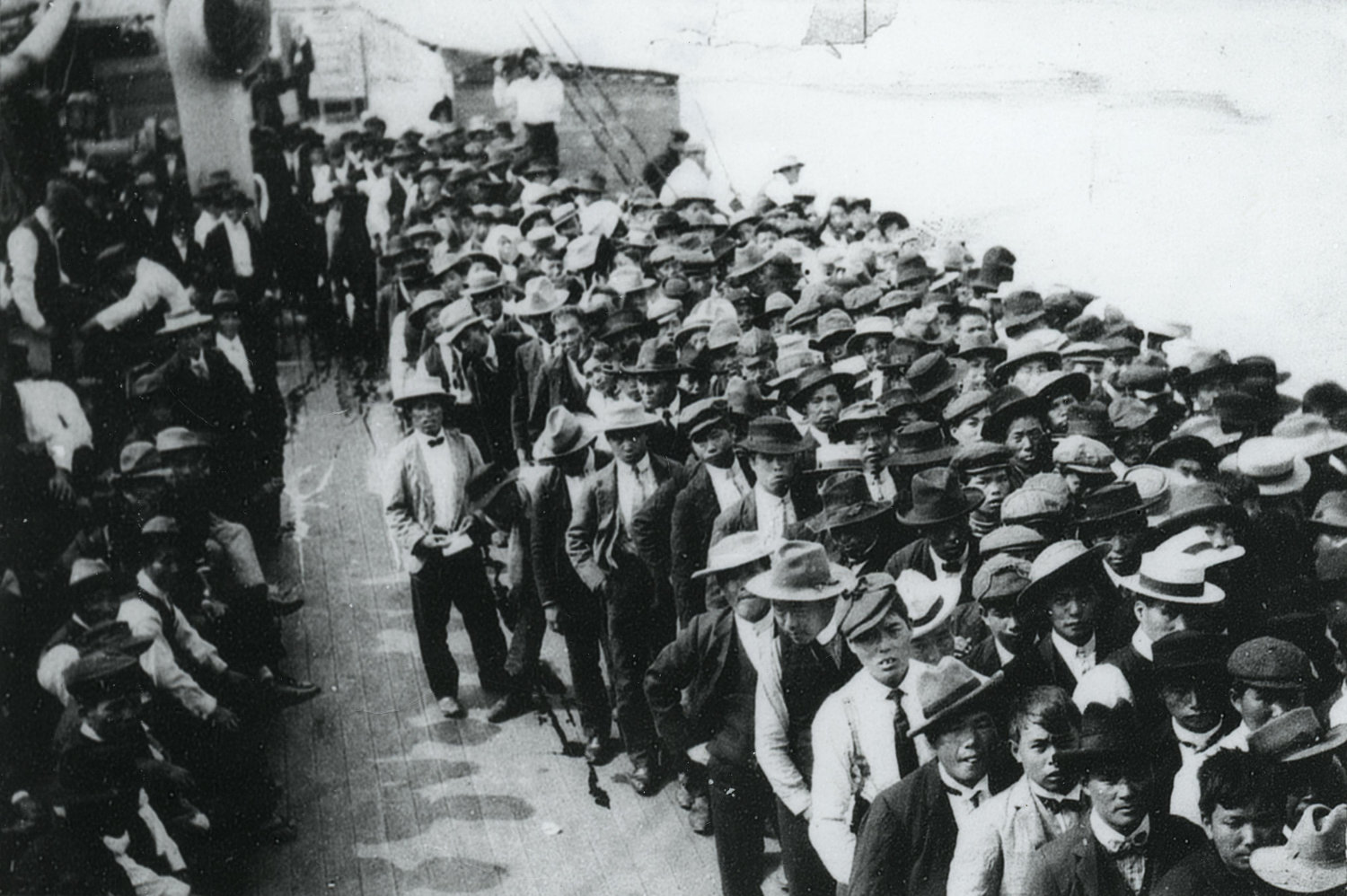
Labourers, brought from Honolulu to Vancouver, crammed aboard the Kumeric, 1907. Japanese Canadian Research Collection, Rare Books and Special Collections, University of British Columbia Library, JCPC-36-002b.
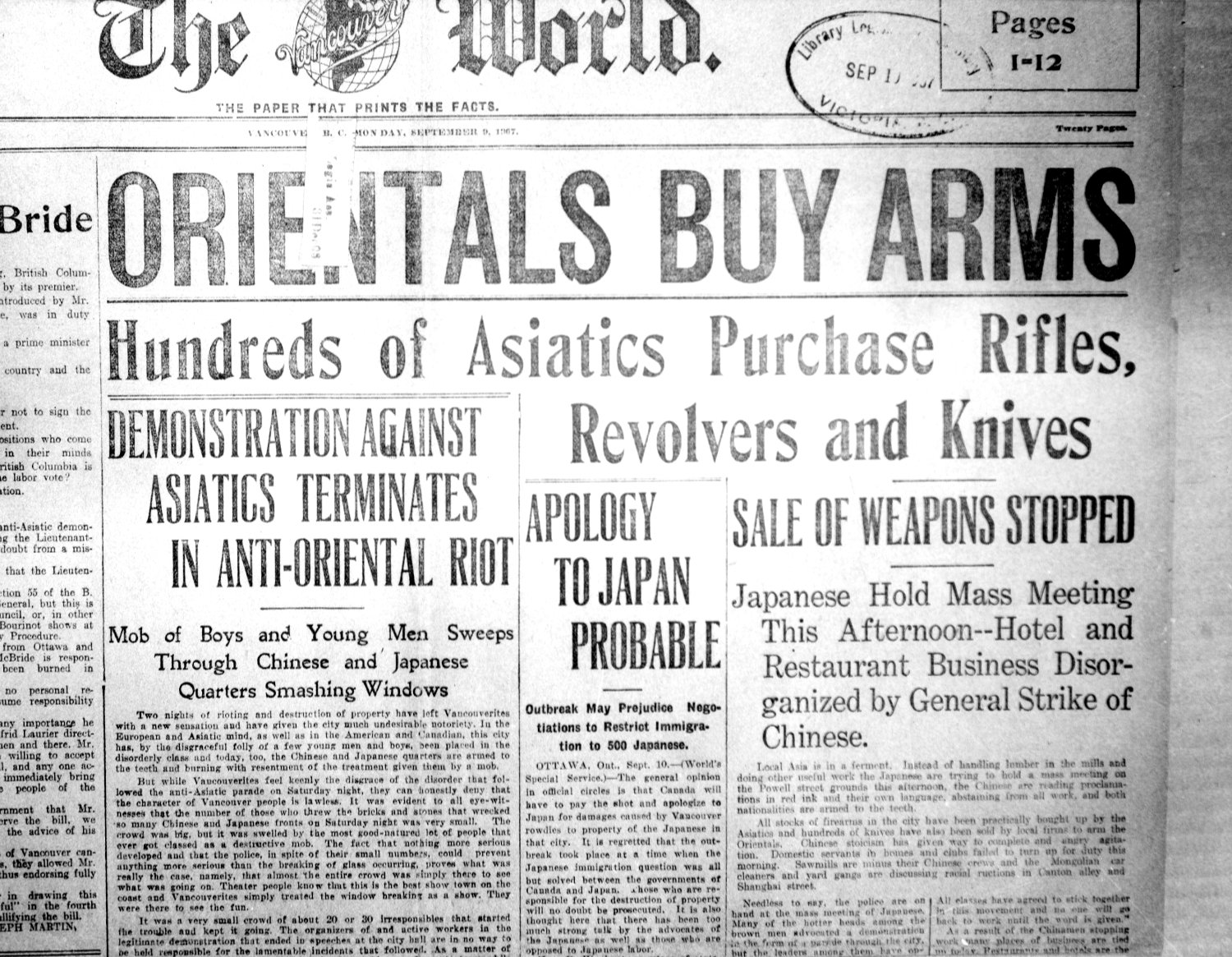
Aftermath of the anti-Oriental riot in Vancouver, 1907. Author’s Collection.
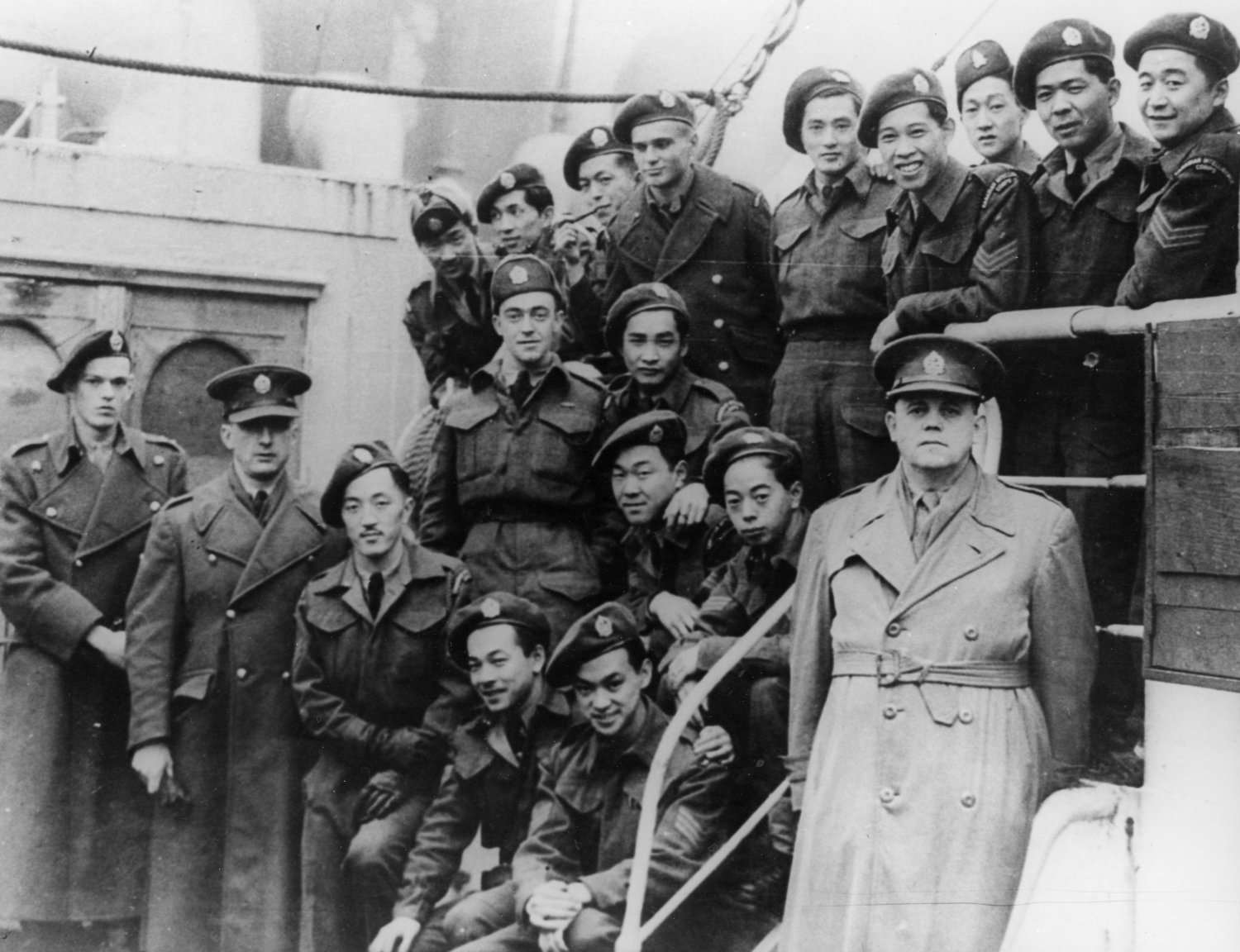
Nisei volunteers in the Canadian Army aboard the Aquitania on their arrival in Southampton, England. Author’s Collection.
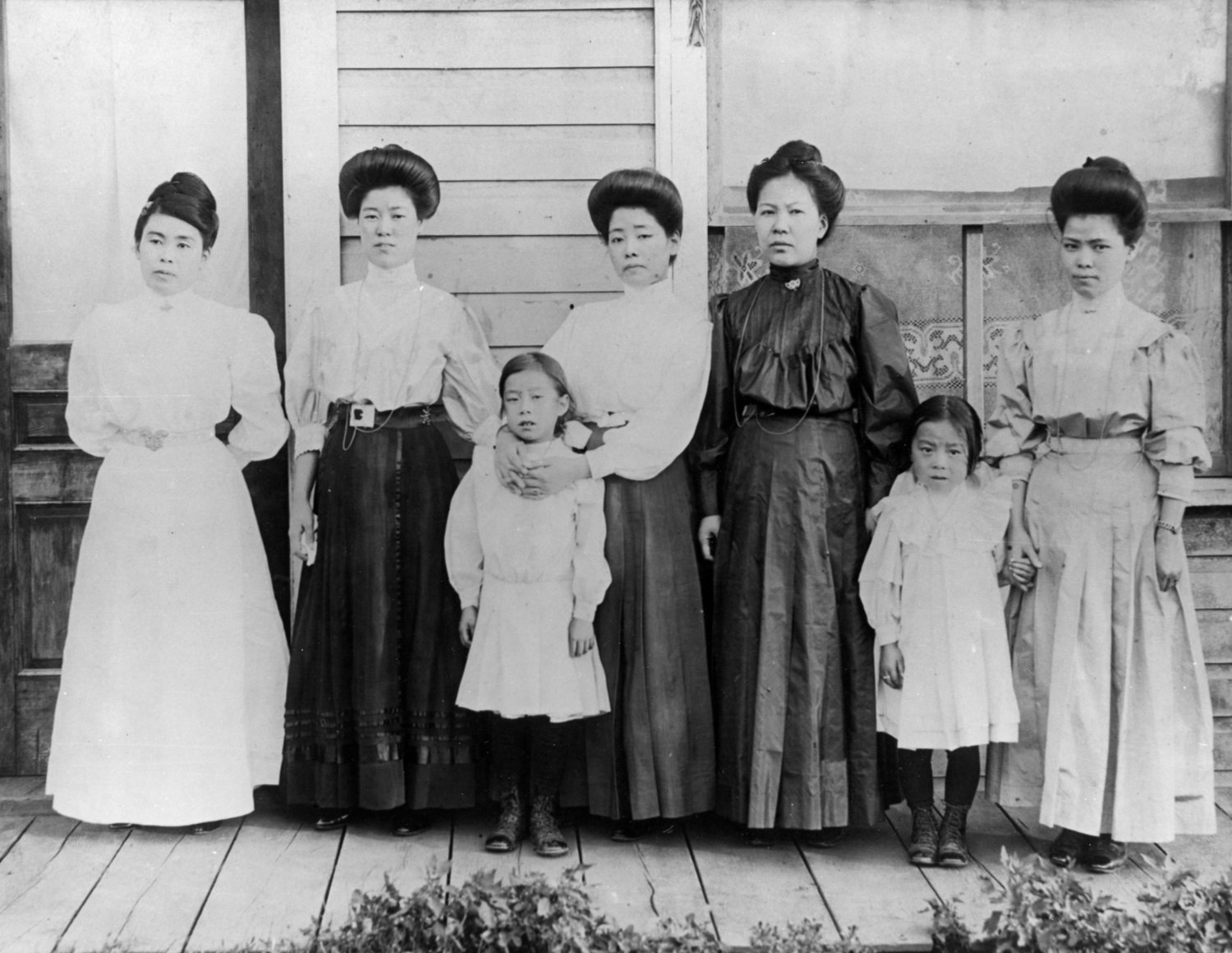
Immigrant women and their children, near Cranbrook, B.C., 1911. Nikkei National Museum. 2001.4.34.
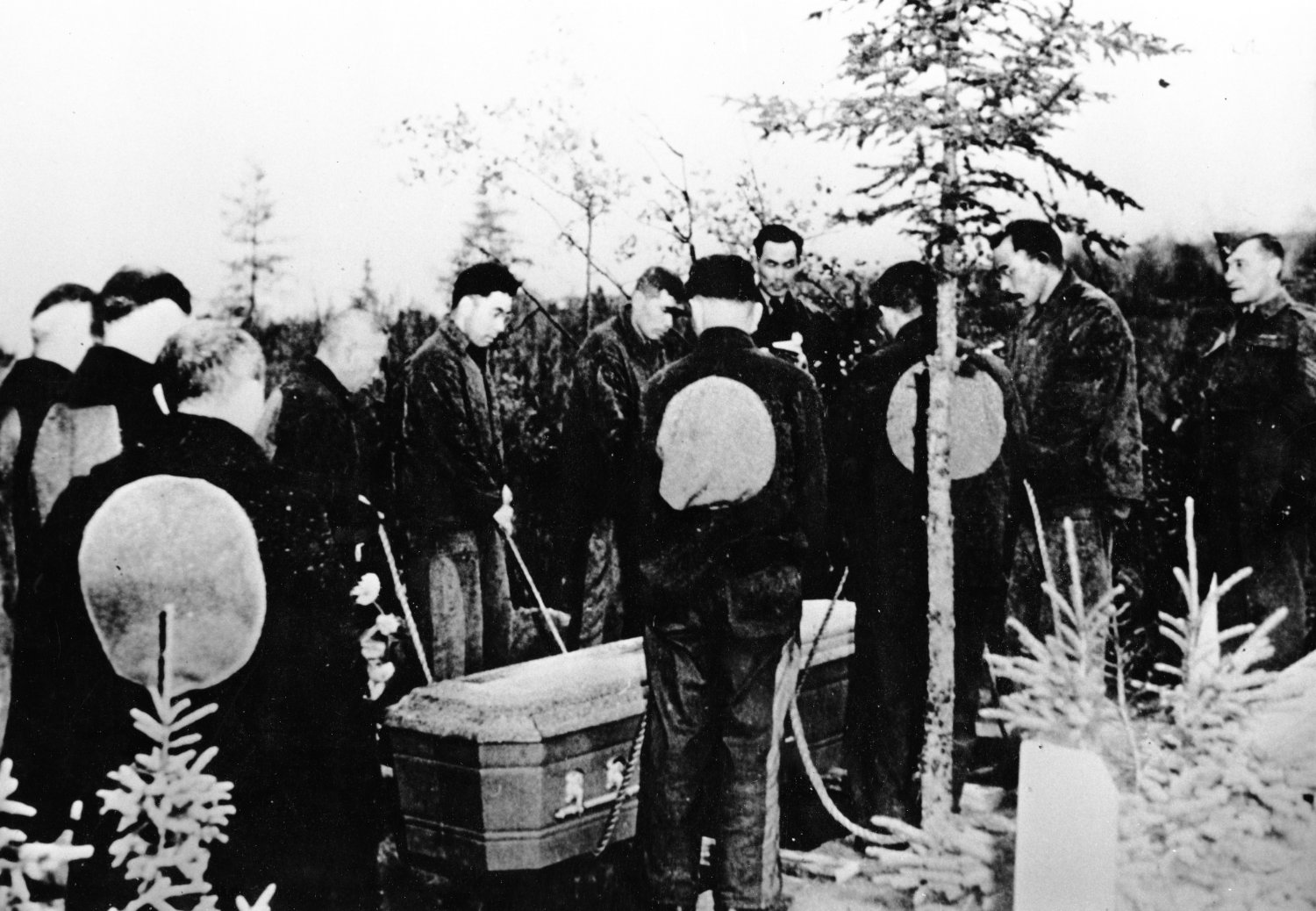
Burial of inmate in internment camp at Angler, Ontario, c. 1943. Red circles on uniforms provided a target for camp guards. Nikkei National Museum. 2010.23.2.4.752.
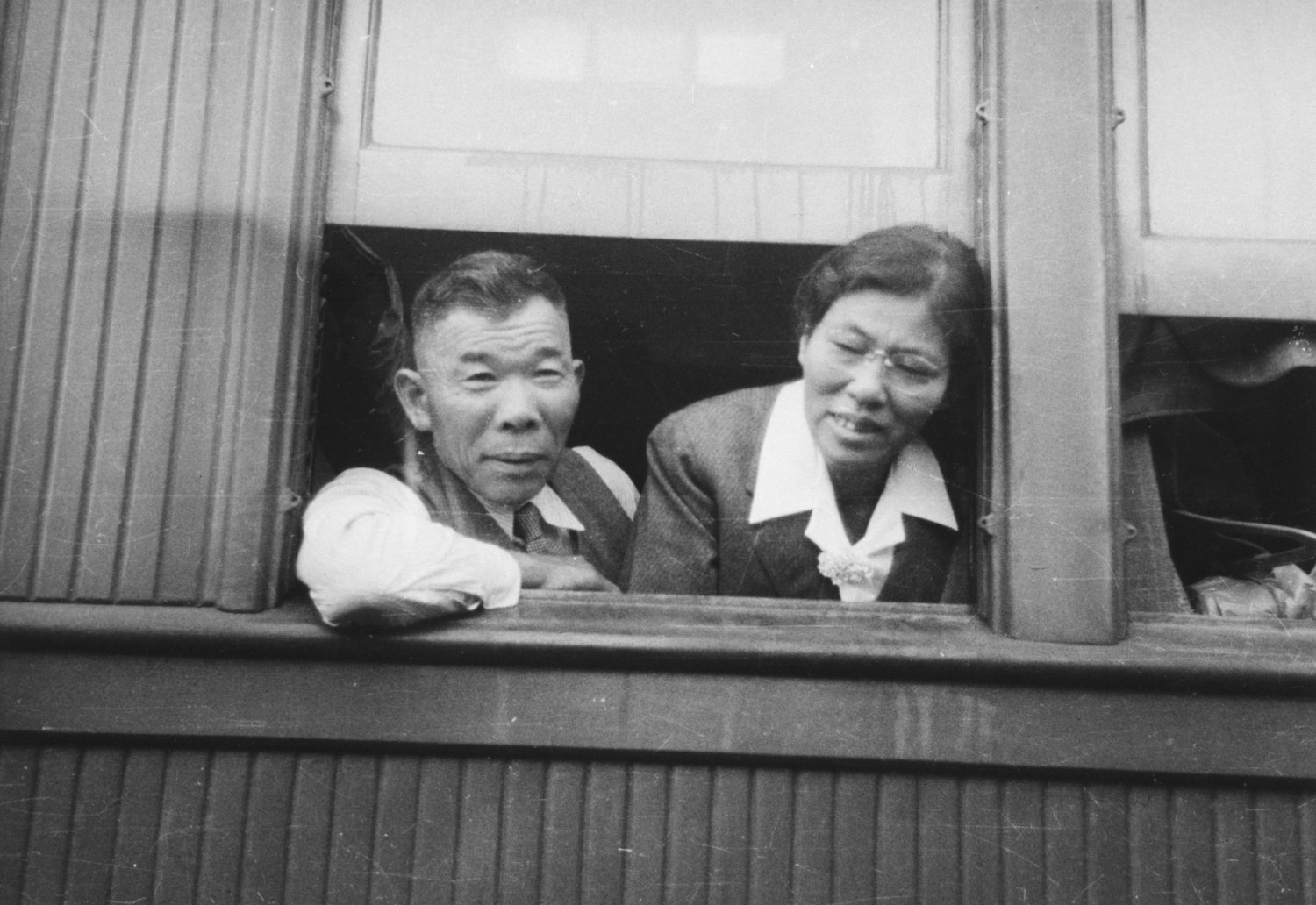
Two Issei “repatriates” at railroad station in Slocan, bound for Vancouver and Japan, 1946. Library and Archives Canada / C-057256.
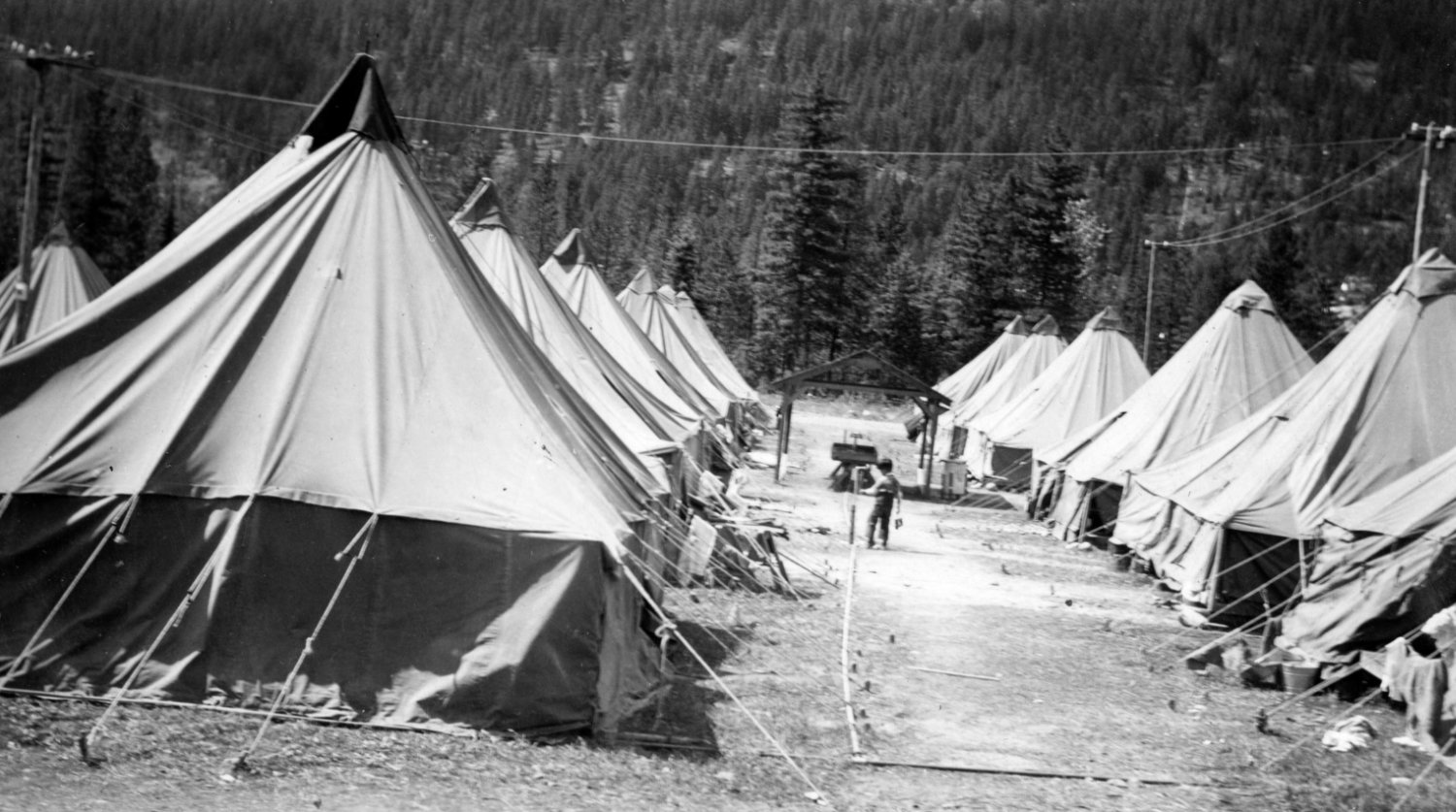
Tents provided living accommodation for many evacuees in the Slocan Valley until the government erected a sufficient number of shacks, 1942. Nikkei National Museum. 2010.49.11.
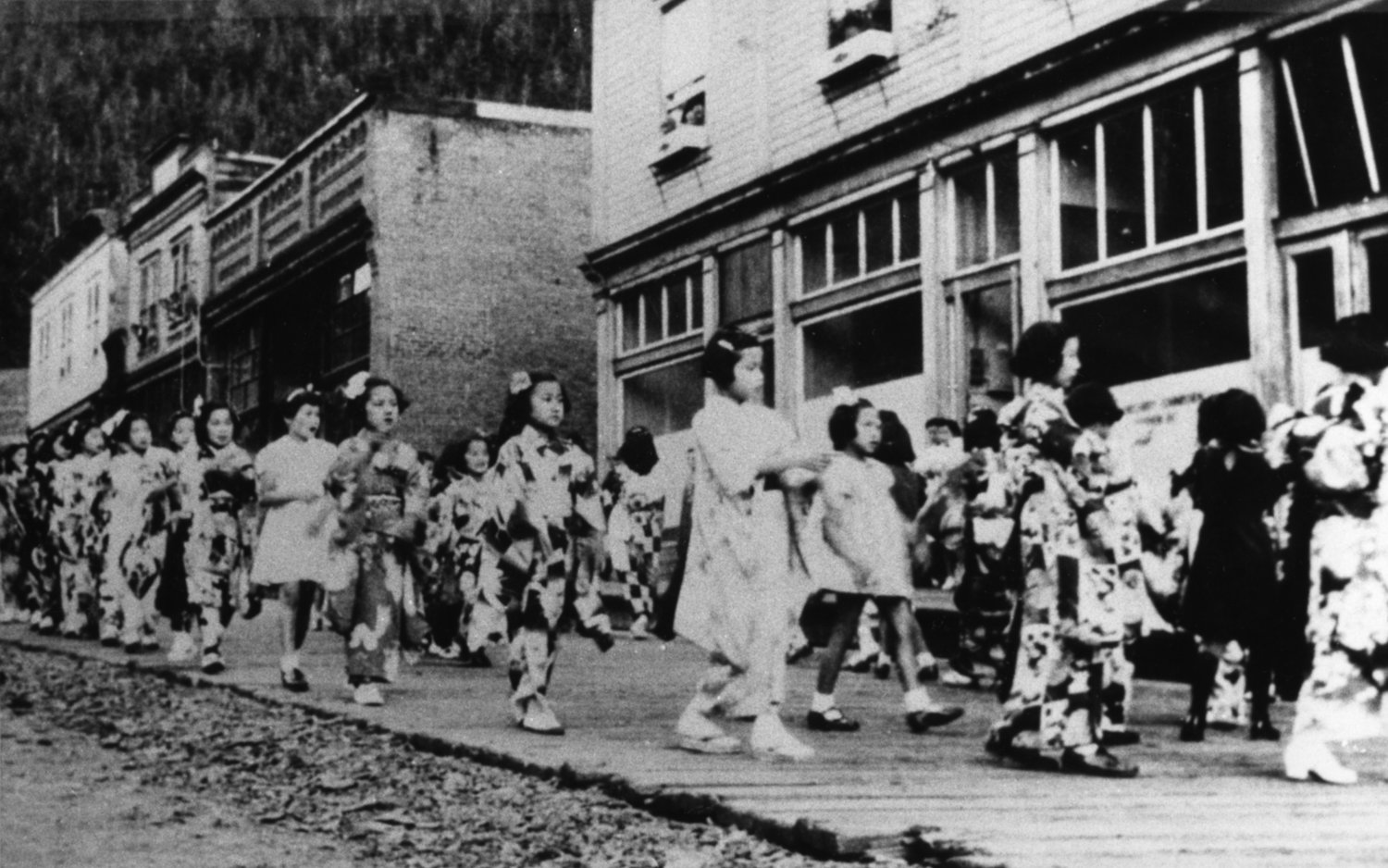
Young folk dancers in the old “ghost town” of Sandon, 1942. Japanese Canadian Cultural Centre. 2001.9.66.
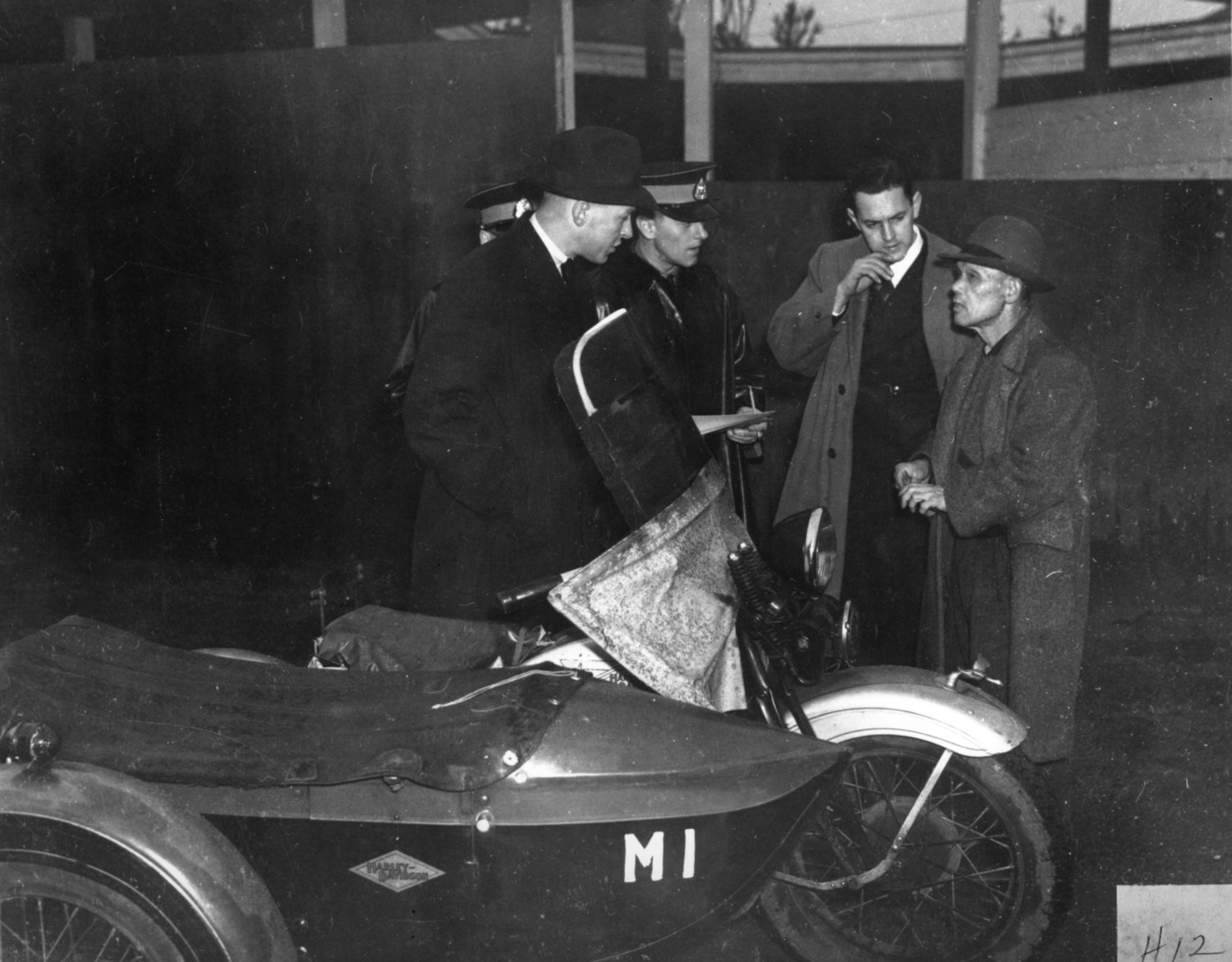
An Issei questioned by officers of the Royal Canadian Mounted Police, Vancouver, 1942. Japanese Canadian Cultural Centre. 2001.3.12.
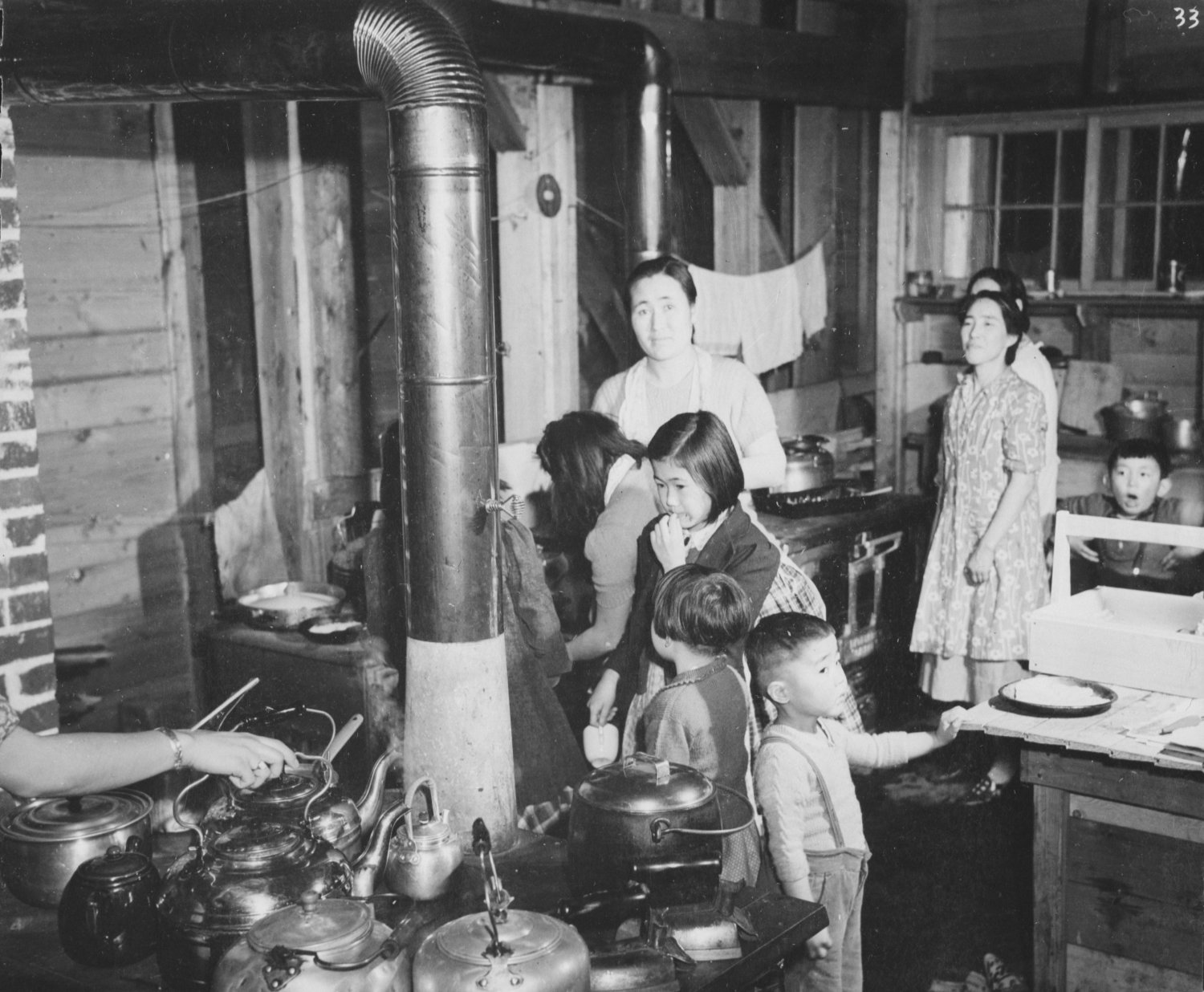
Typical communal kitchen in a detention camp in the interior of British Columbia, 1943. National Film Board of Canada. Photothèque / Library and Archives Canada / C-024452.
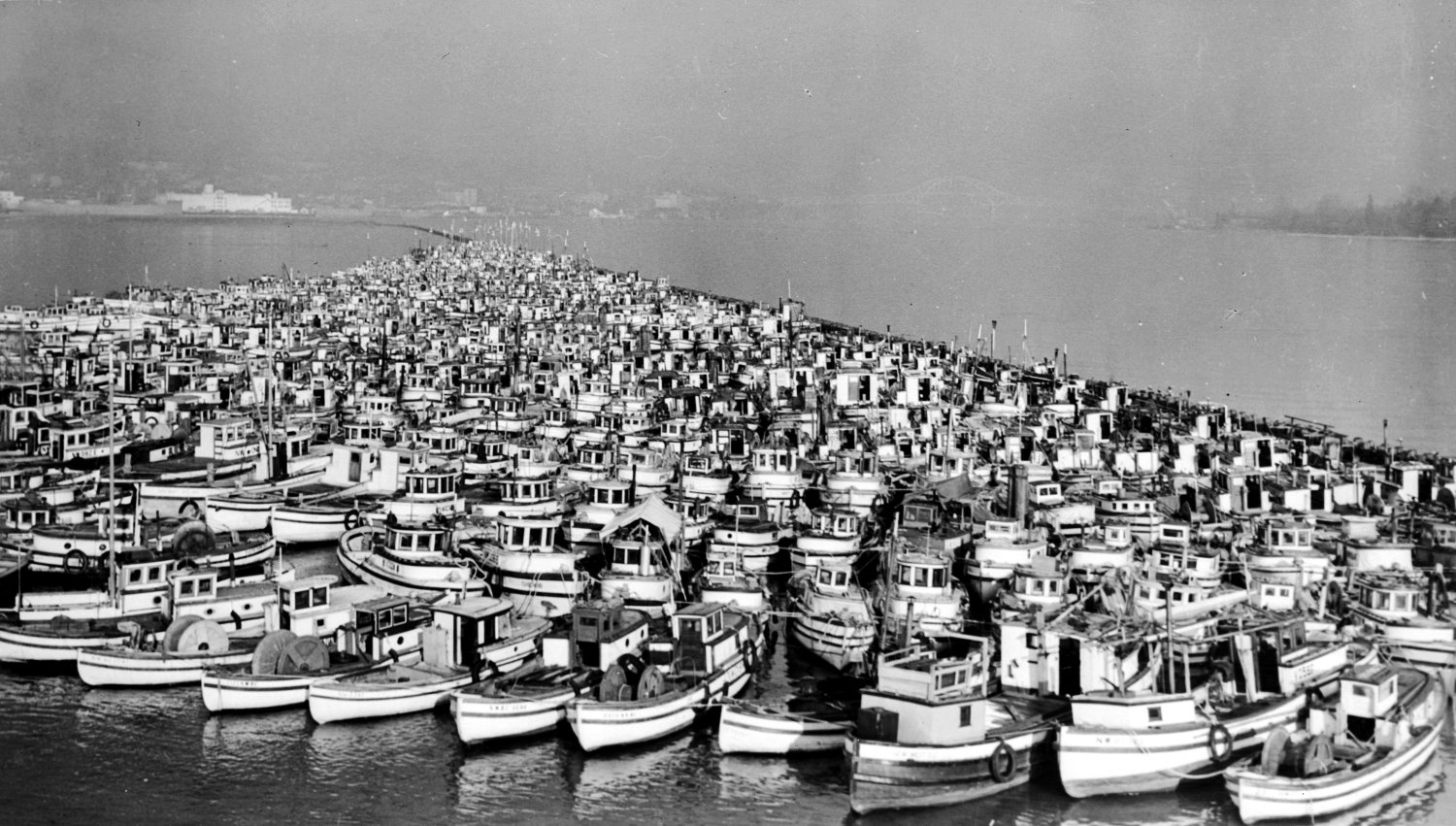
Fishing boats seized by the federal government and impounded at the Annieville Dyke on the Fraser River, 1941. Leonard Frank photo, Vancouver Public Library 3190.
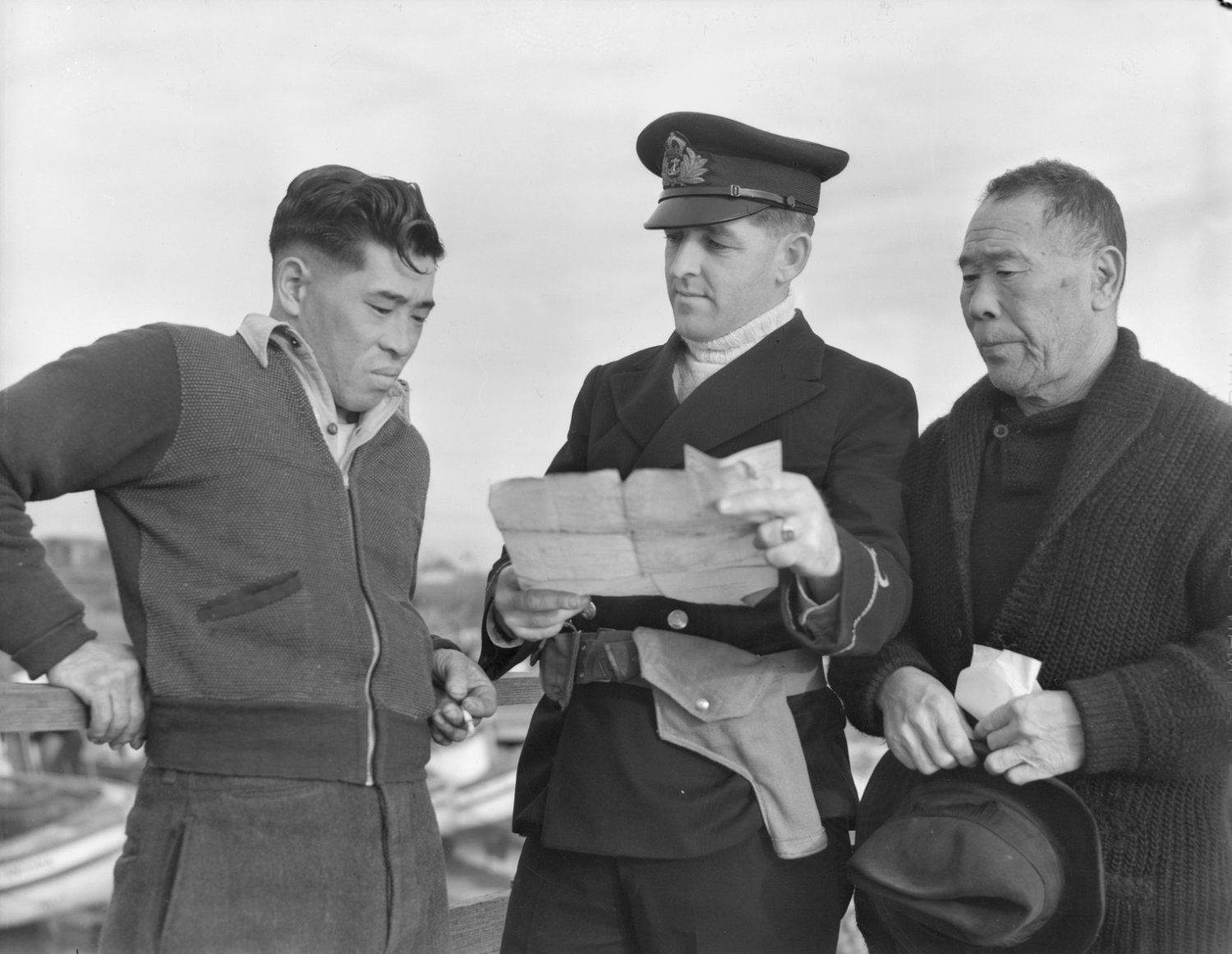
Fishermen interrogated by an officer of the Royal Canadian Navy following Japan’s attack on Pearl Harbor, 1941. Canada. Dept. of National Defence / Library and Archives Canada / PA-112539.
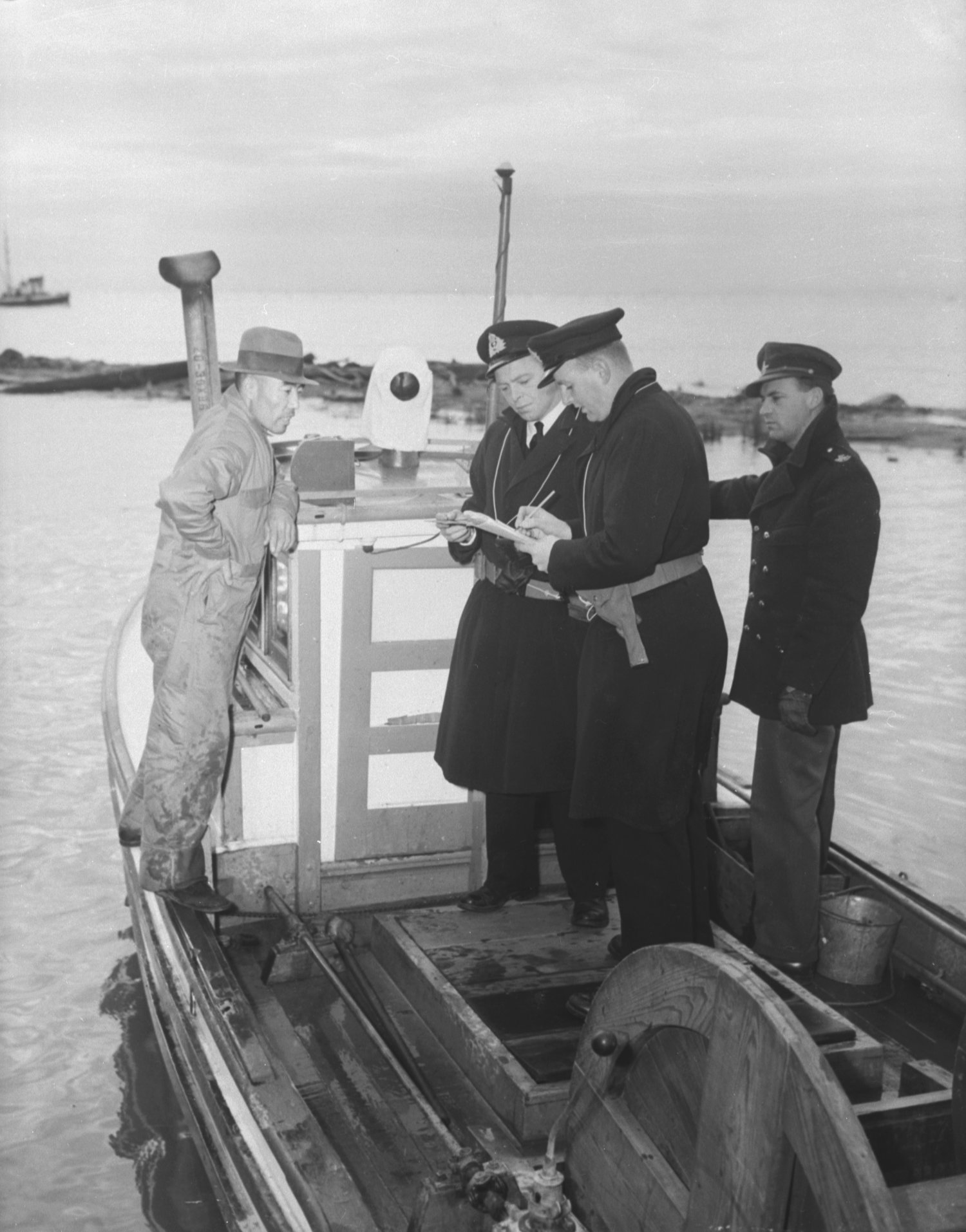
The Royal Canadian Navy again at work, confiscating the fishing boat of a Japanese Canadian, 1941. Canada. Dept. of National Defence / Library and Archives Canada / PA-037468.
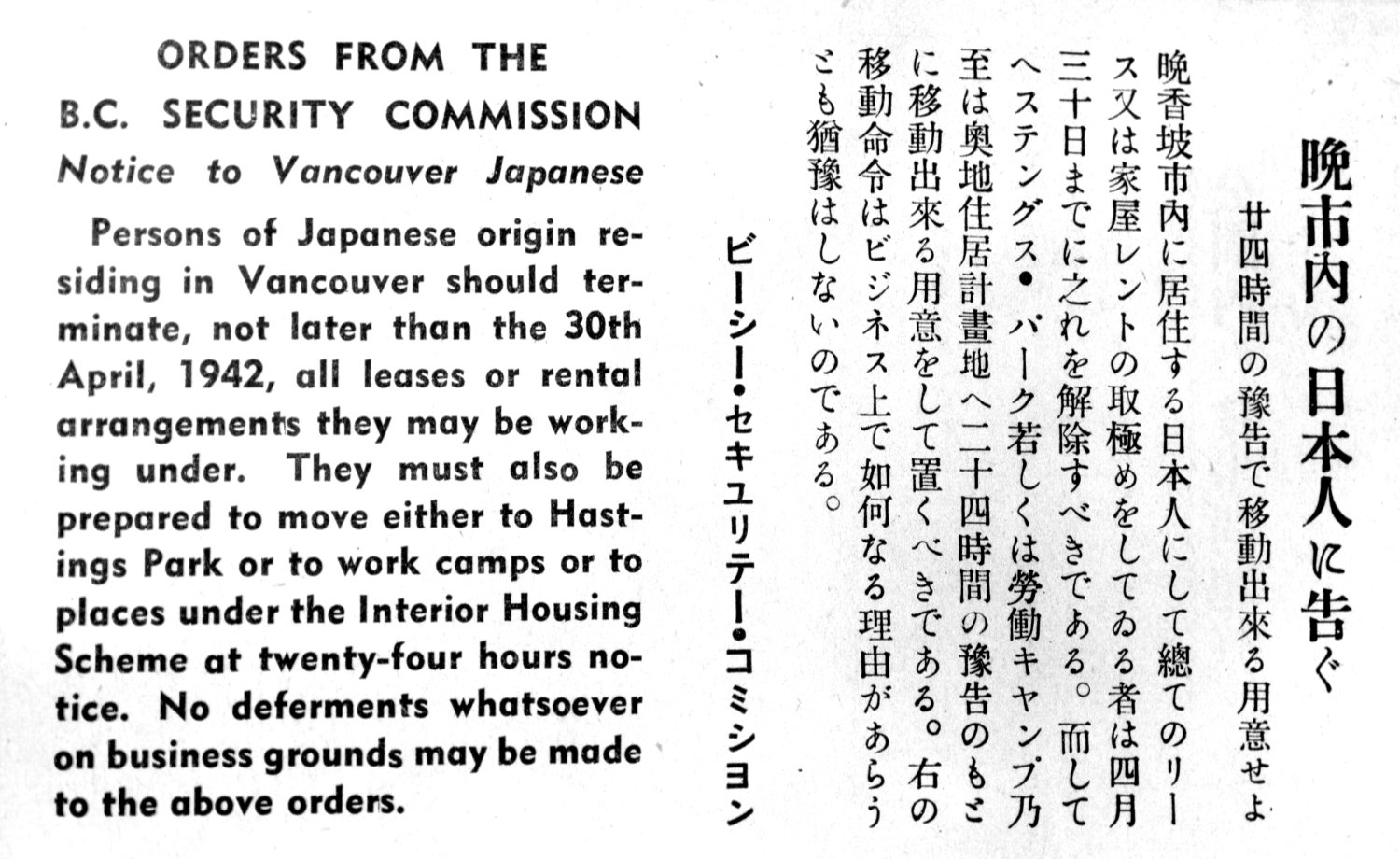
Twenty-four hours to move. Notice in The New Canadian, April 29, 1942. The New Canadian. Author’s collection.
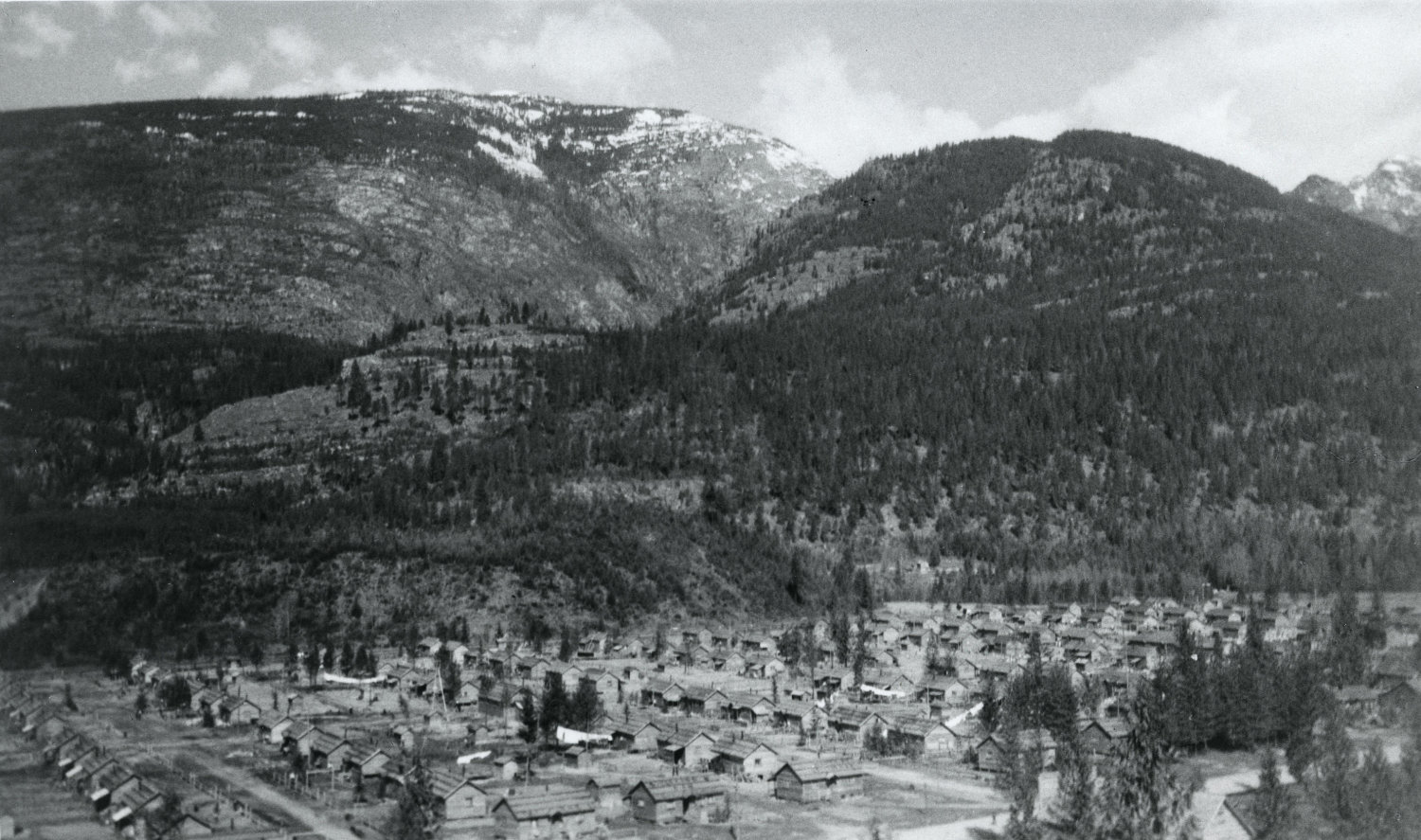
Mountains form a natural barrier to this detention camp in British Columbia in 1942. Japanese Canadian Research Collection, Rare Books and Special Collections, University of British Columbia Library, JCPC-10-003.
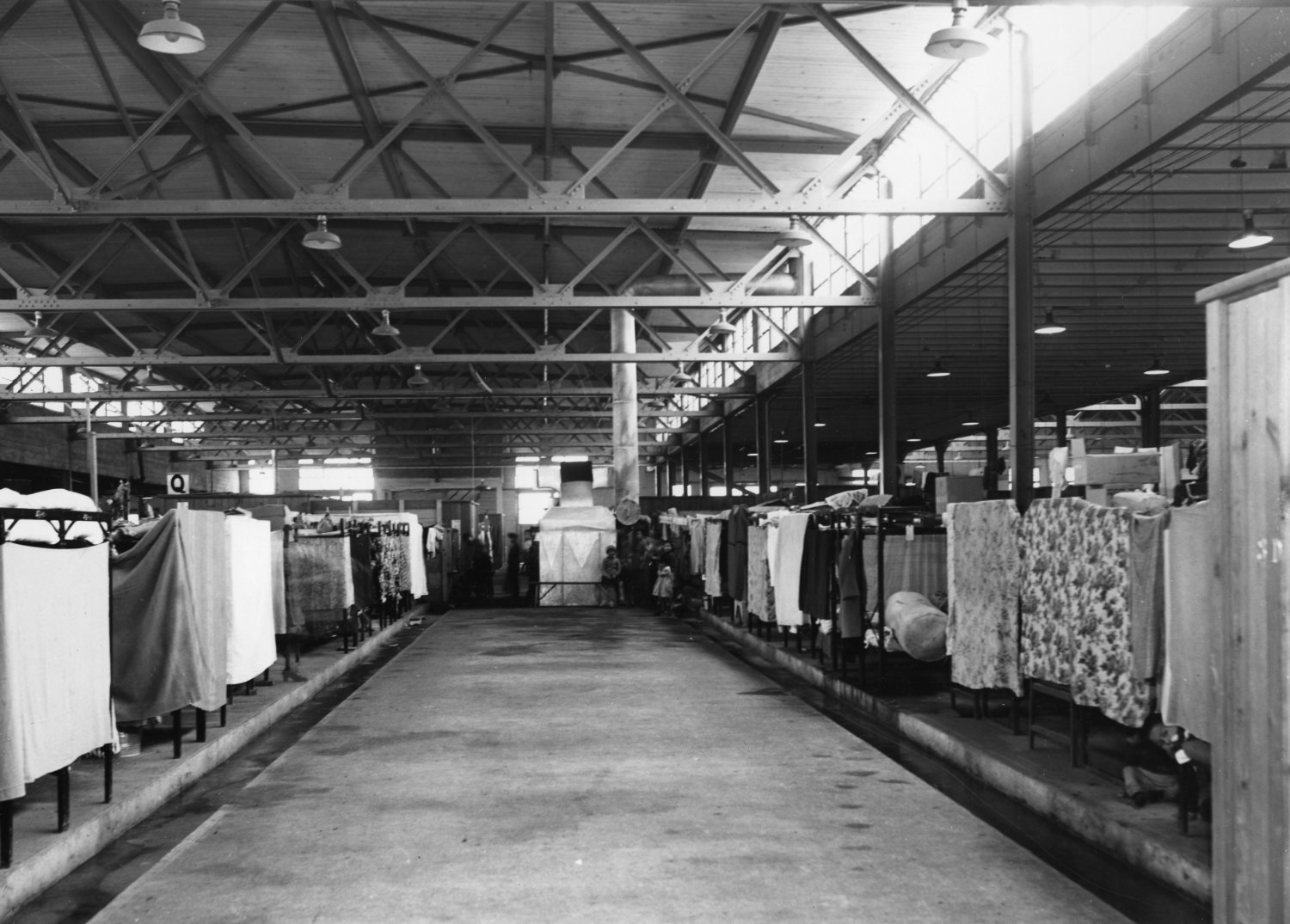
Blankets provide the only privacy in the women’s dormitory at the Hastings Park “assembly centre,” Vancouver, 1941. Nikkei National Museum. 1994-69-3-20.
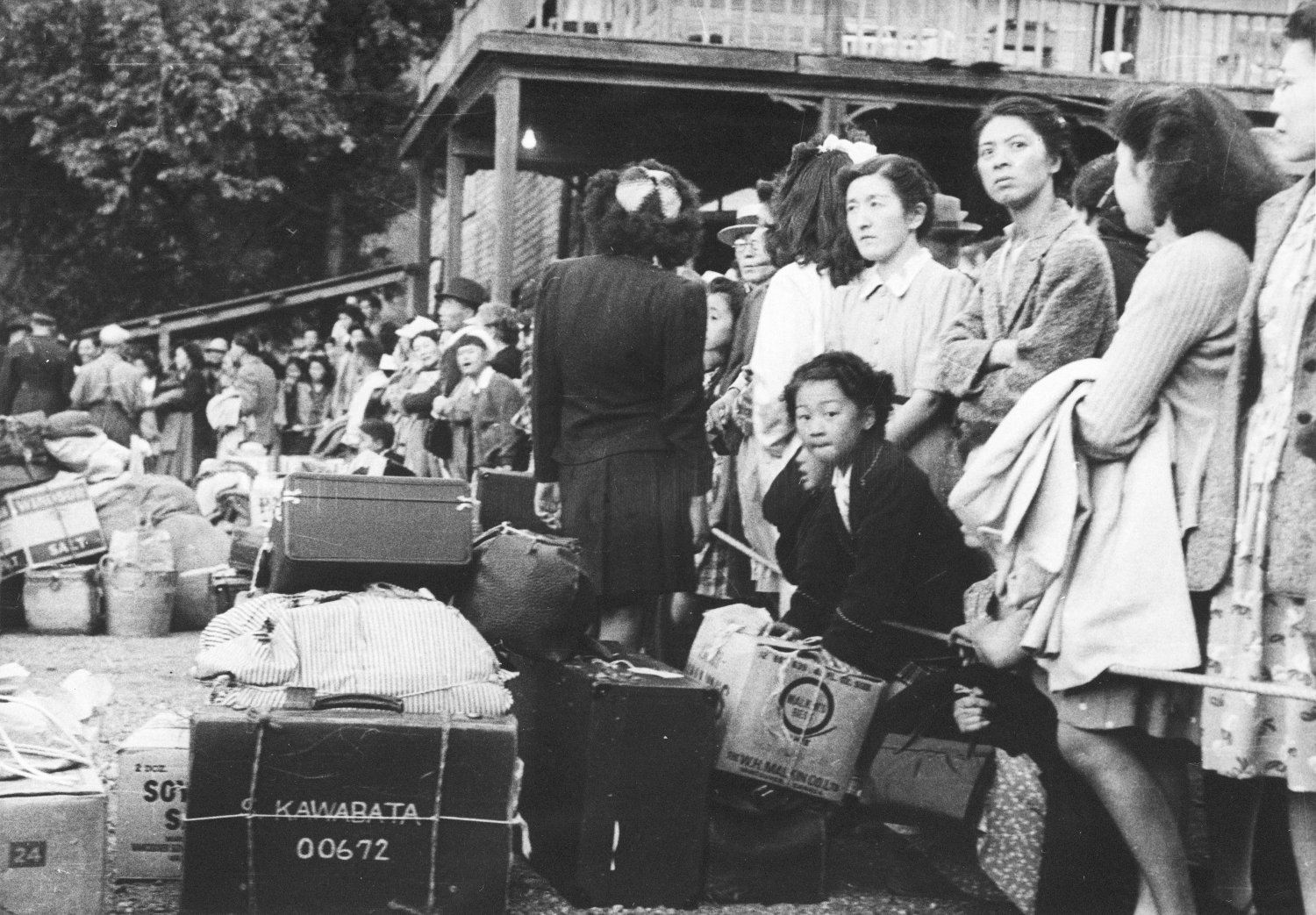
Group gathered at railroad station in Slocan, bidding farewell to “repatriates” on their way to Japan in 1946. Nearly 4,000 people went to Japan in 1946, many of them embittered and disillusioned after their wartime experience in Canada. Tak Toyota / Library and Archives Canada / C-047398.
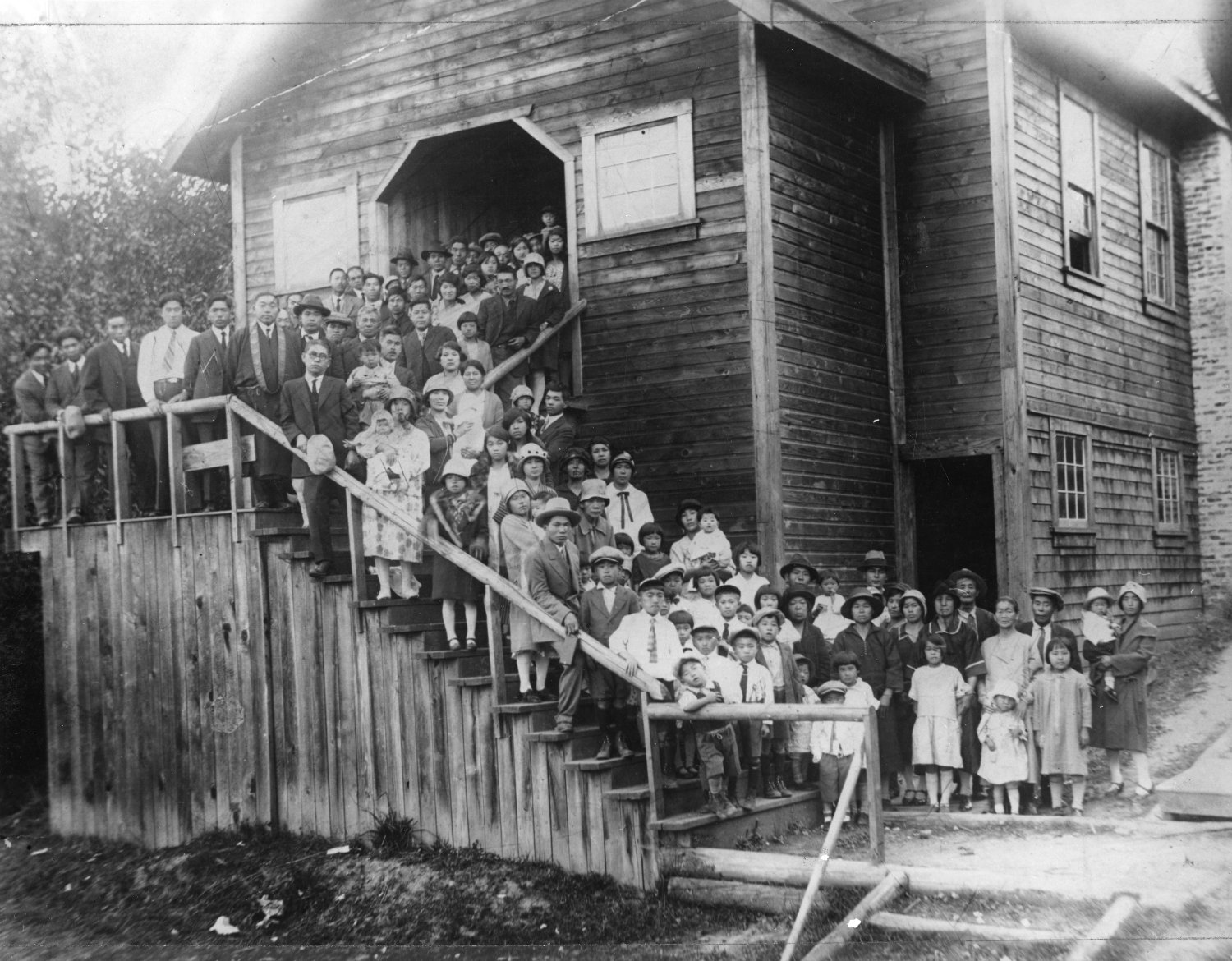
Community hall and language school in Whonnock, B.C., 1920. Japanese Canadian Cultural Centre. 2001.11.19.
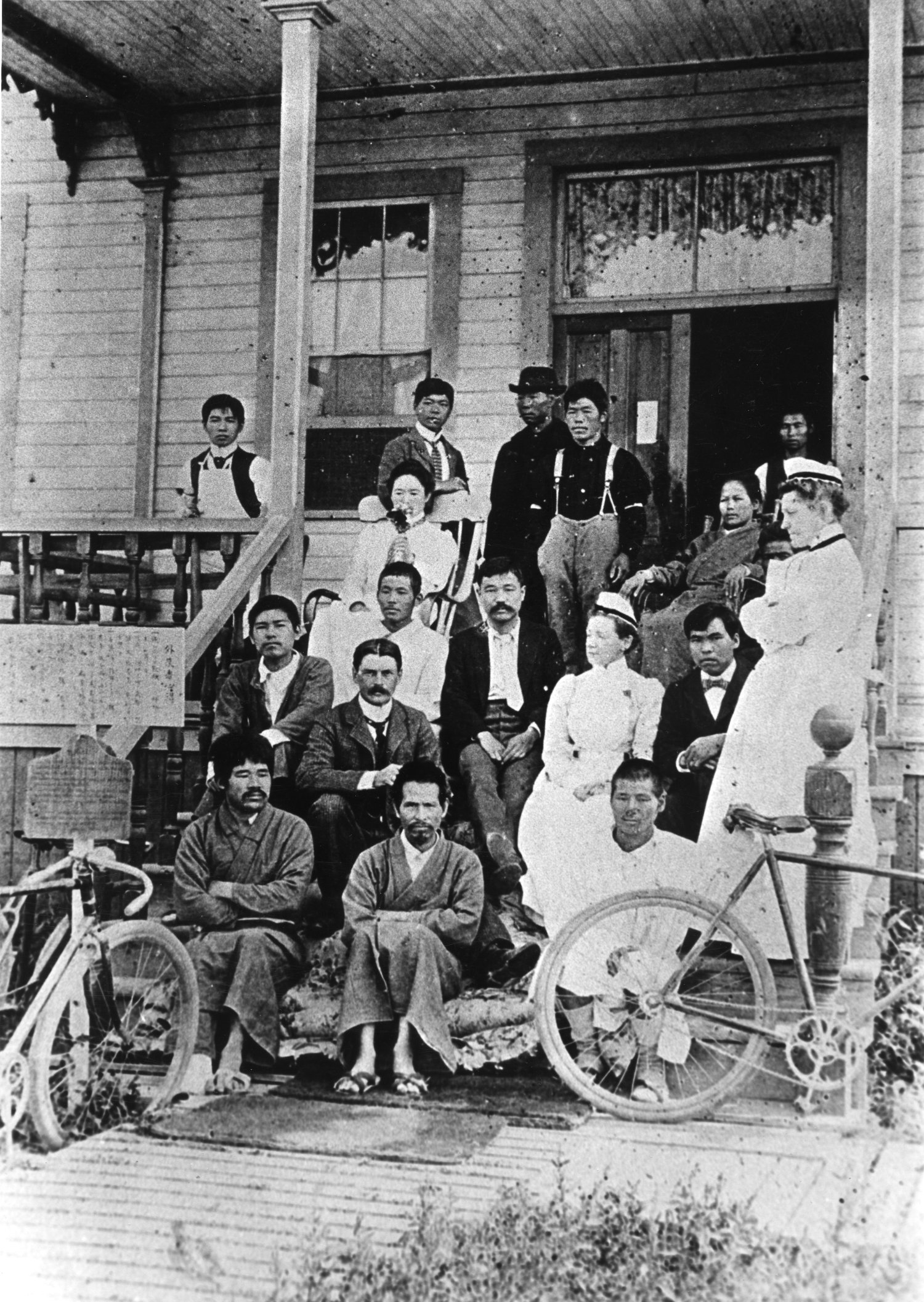
Japanese hospital in Steveston, B.C., 1897. Japanese Canadian Cultural Centre. 2001.4.46.
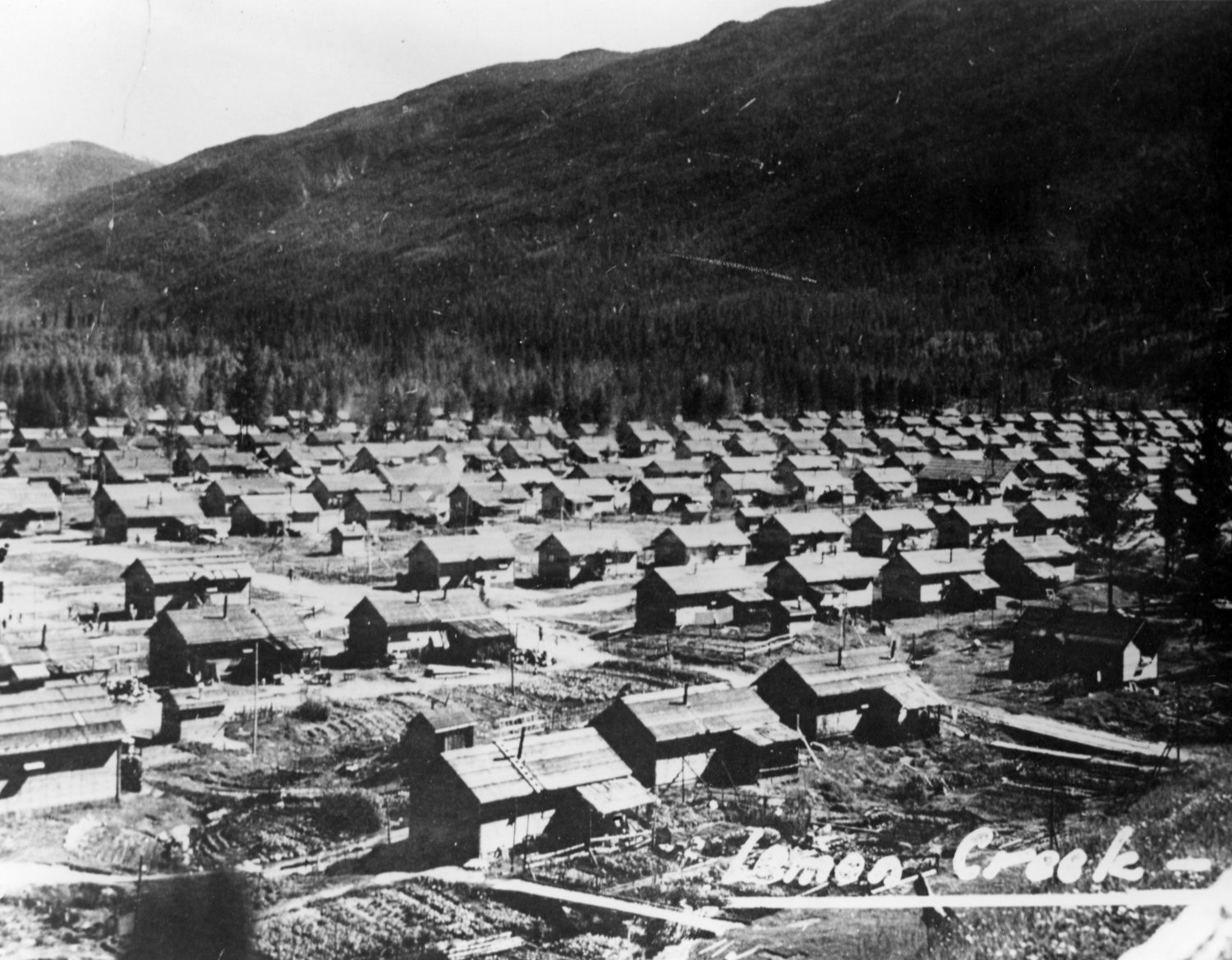
Detention camp at Lemon Creek in the Slocan Valley, 1942. Author’s Collection.
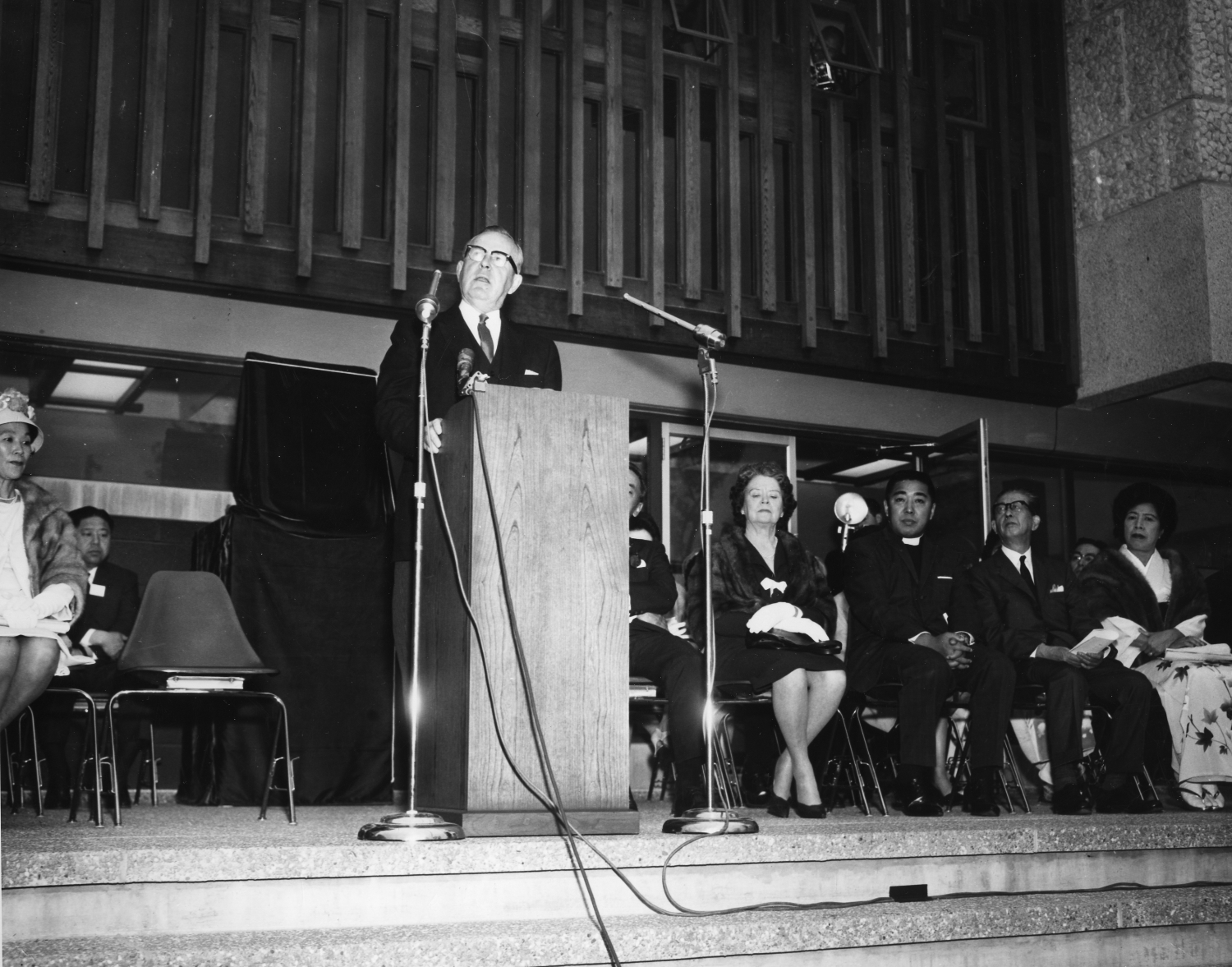
Prime Minister Lester Pearson at opening of Japanese Canadian Cultural Centre in Toronto, 1964. He described the evacuation as “a black mark against Canada’s traditional fairness.” Japanese Canadian Cultural Centre. 2001.7.3.
Front Cover photo: Tak Toyota / Library and Archives Canada / C-047398.
Photo of Ken Adachi: Author’s Collection